A metallic epoxy floor is the most expressive coating we install. Where a flake floor is about practicality and a solid color is about calm, a metallic floor is about movement. Light catches the pigment differently as you walk across the room, so the floor seems to shift through the day. In a great room with big windows, a showroom under track lighting or a collector's garage, the effect can be remarkable.
That uniqueness comes with responsibilities. Metallic floors are more labor-intensive, more sensitive to technique and conditions, and less predictable than other finishes. This page explains how they are made, where they work well, where they don't, and what to expect.
How metallic epoxy works
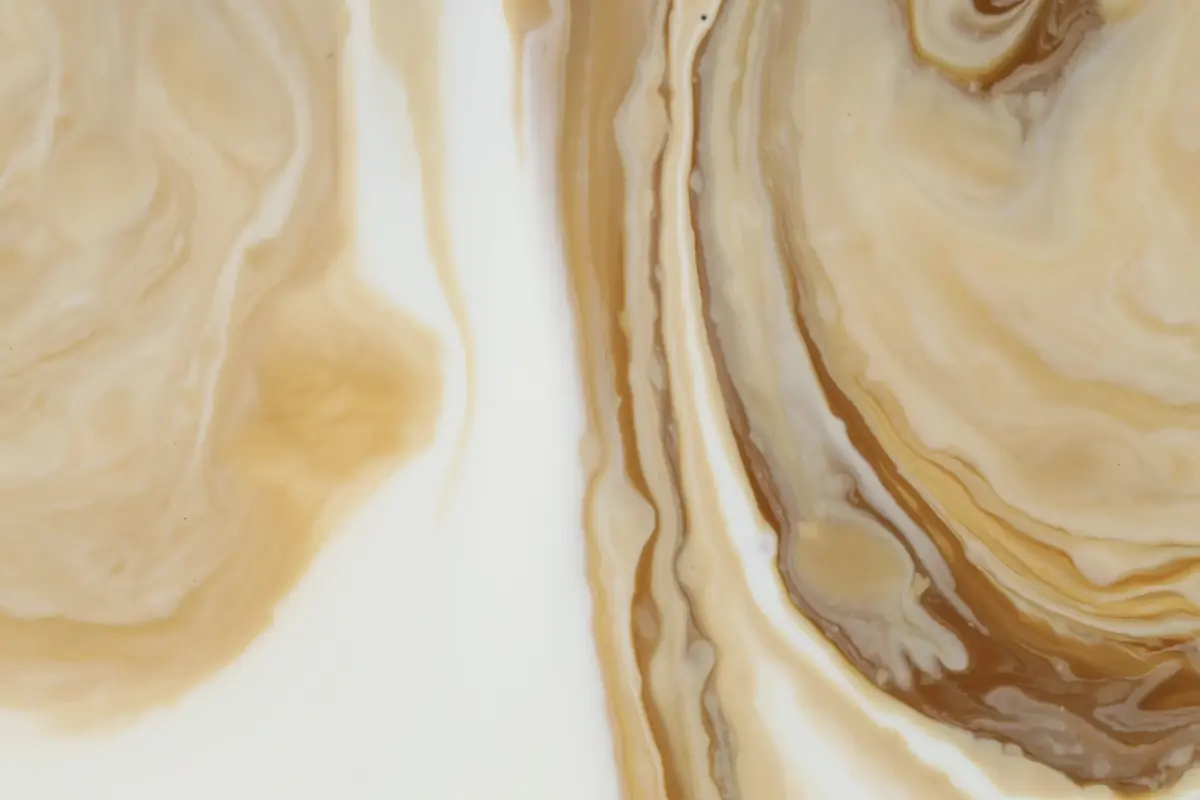
Metallic pigments are very fine particles, typically mica coated with metal oxides, that reflect light. They are mixed into a clear epoxy that has a long enough working time to allow manipulation. As the resin is spread and moved, the particles orient themselves in different directions. Where they lie flat, the floor looks bright and mirror-like; where they stand on edge or cluster, it looks darker or deeper. The contrast between those zones creates the pattern.
Installers influence the outcome with technique:
- Rolling direction and pressure create long sweeping movement.
- Brushes and trowels pull veins and edges.
- Solvent spray misted onto the wet surface pushes pigment aside to form cells and lacy patterns.
- Layering colors by pouring a second tint into the first adds depth and contrast.
- Leaf blowers and air move the surface for dramatic, organic effects.
The resin continues to settle for a while after it is worked, so part of the skill is anticipating how a pattern will relax as it cures.
Why people choose metallic floors
Truly custom appearance. Your floor will not look like anyone else's, even with the same colors.
Depth that tile and wood can't match. The layered pigment produces a three-dimensional look that changes with the angle of view.
A seamless, easy-clean surface. Like other resin floors, it has no grout and wipes clean.
Strong performance indoors. With a hard protective topcoat, metallic floors handle normal household and retail traffic well.
Flexible style. Neutral pearl and silver tones can look quietly luxurious, while copper, bronze and deep blue make a statement.
Color palettes and looks
Marble and stone looks
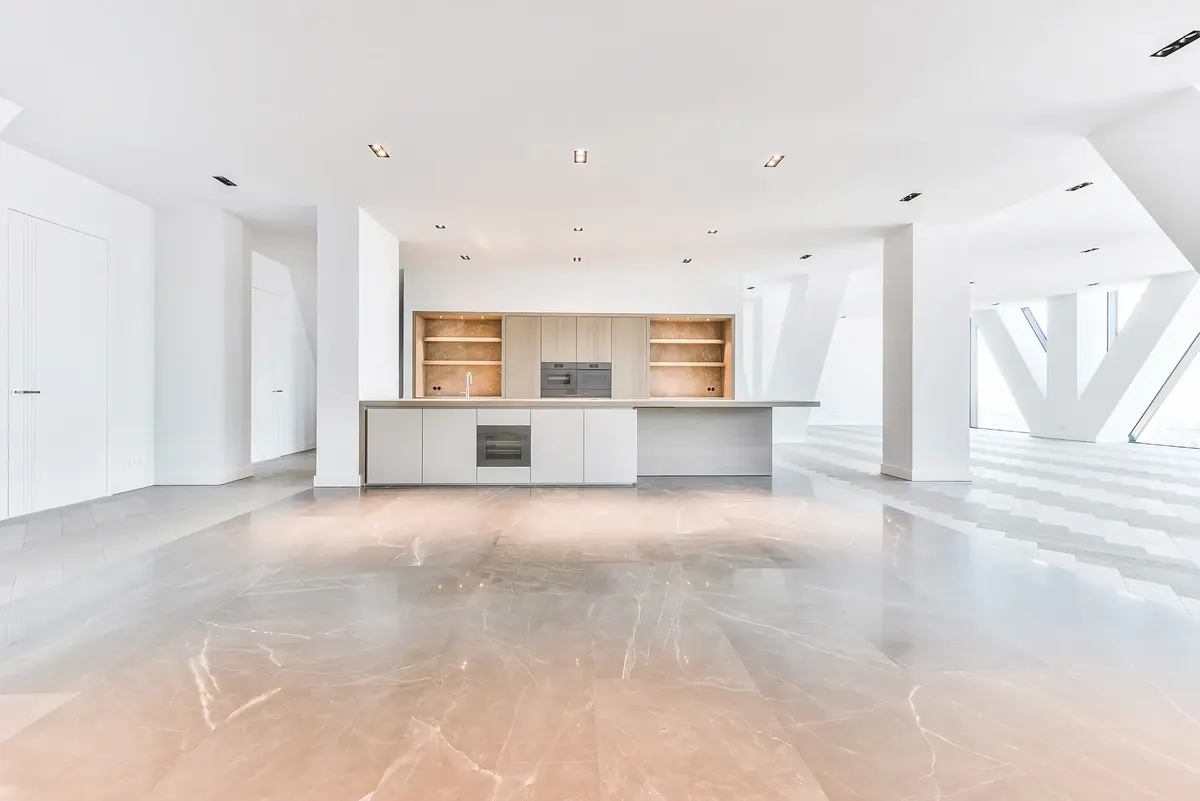
White, pearl and silver bases with gray or gold veining create a marble-like floor that suits modern kitchens, entries and bathrooms. The look is softer and less uniform than real stone but far easier to maintain.
Desert tones
Copper, bronze, caramel and champagne metallics pair beautifully with Phoenix architecture: stucco, exposed wood, Saltillo accents and warm lighting. These are among our most-requested palettes.
Cool and dramatic
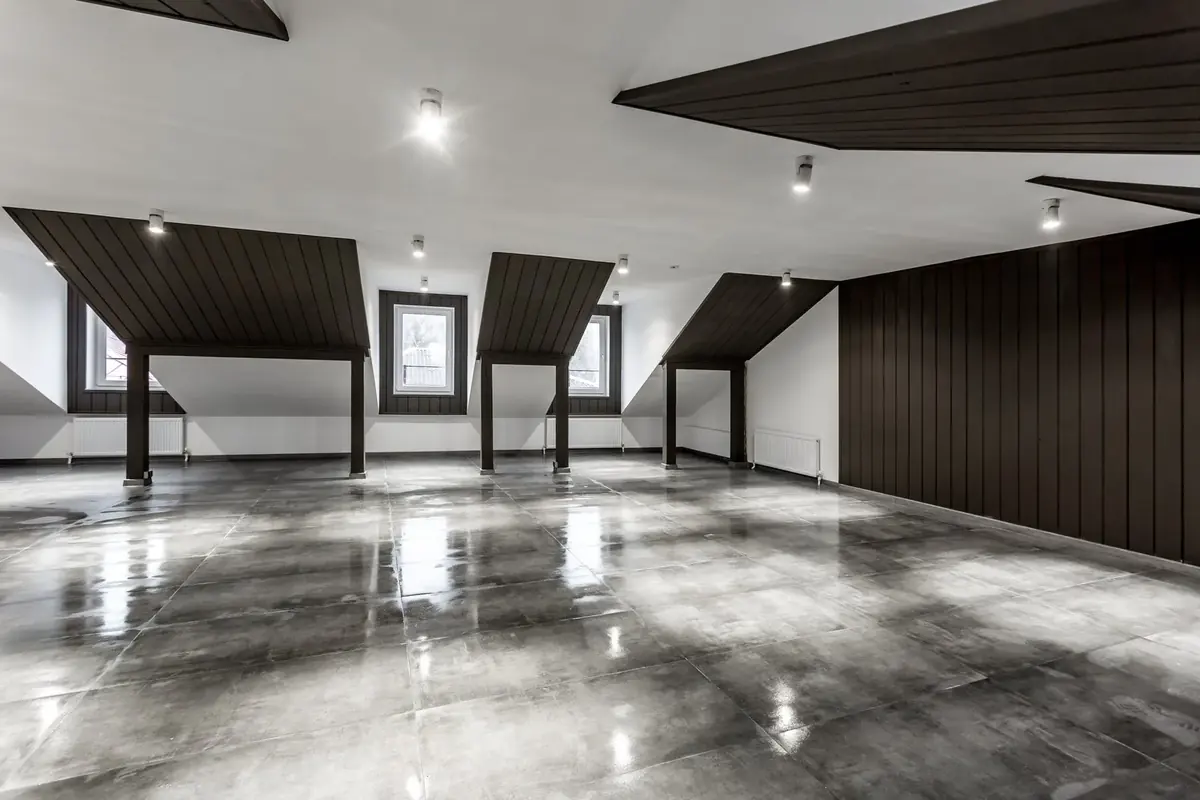
Charcoal, steel blue, deep teal and black-with-silver floors suit media rooms, home bars, modern commercial spaces and garages with dark cabinetry.
Subtle movement
Not every metallic floor needs to be bold. A single color worked gently gives a soft, cloud-like look that adds interest without dominating the room.
Good places for metallic epoxy
- Great rooms and living areas with good natural or accent lighting.
- Entries and hallways, where a strong first impression matters.
- Kitchens, particularly marble-look palettes.
- Home bars, theaters and game rooms.
- Retail stores, salons and boutiques looking for a distinctive floor.
- Showrooms and offices that want a premium finish.
- Show garages where cars are stored and displayed rather than worked on daily.
Where we suggest something else
Metallic floors are smooth and reflective, which means scratches and dust show more readily than on flake. In a busy daily-driver garage with grit tracked in from the street, a decorative flake floor usually performs and ages better. For outdoor patios in full sun, standard metallic epoxy is not appropriate because the epoxy layer will yellow and chalk; a patio coating system is the better route.
Installation
Preparing the canvas
Metallic floors amplify any flaw underneath them. A low spot becomes a pool of pigment; a bump catches light. We grind thoroughly, repair every crack and divot, and often skim the surface to create a flat, uniform base. Moisture testing is essential, especially indoors.
Primer and base color
A primer seals the concrete and prevents outgassing bubbles from coming up through the decorative layer. A tinted base coat follows, chosen to set the background tone of the finished floor.
The metallic layer
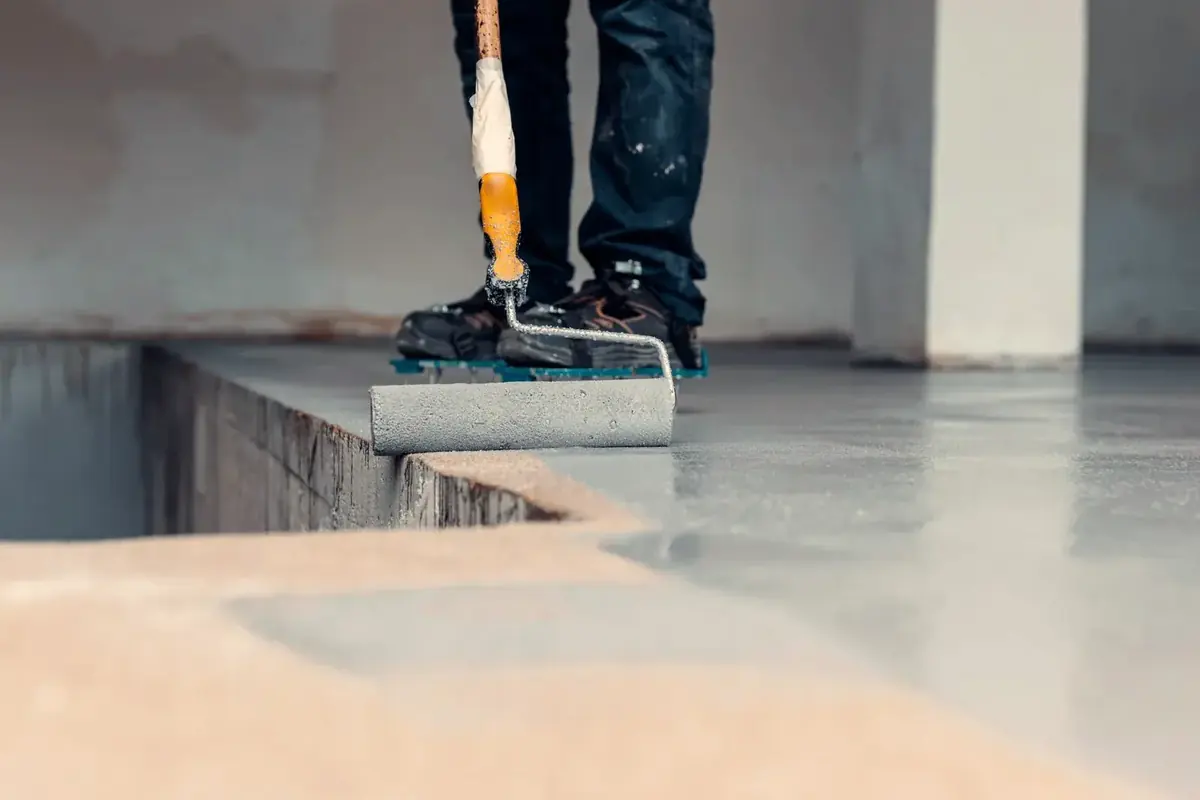
This is the artistic step. The metallic epoxy is mixed in measured batches and poured in ribbons across the floor, then spread and manipulated. Large rooms need a coordinated crew working wet edge to wet edge so there are no visible seams between batches. This layer is not something that can be paused halfway through; once it starts, it has to be finished.
Protective topcoat
Epoxy itself is relatively soft compared to the topcoats available today and is vulnerable to UV yellowing. We finish metallic floors with a clear aliphatic urethane or polyaspartic topcoat in the sheen you choose. This layer takes the wear and preserves the color.
Cure time
Metallic epoxy has a long cure. Light foot traffic is usually possible after about a day, but furniture and heavier use should wait several days, and full chemical resistance takes longer. We provide a specific schedule for each project.
Why metallic floors demand experienced installers
Metallic epoxy is the least forgiving coating to install. Mixing errors cause soft spots or color differences. Working too slowly leaves lap marks; working too quickly misses the pattern. Temperature and humidity change how the resin flows and how pigments settle. Dust, insects and stray hair are all permanently visible in a glossy floor.
Experience also matters in planning. Where a large room adjoins a hallway, the pour needs to be choreographed so the pattern flows naturally. Lighting should be considered because a pattern that looks rich under daylight may look flat under weak bulbs.
Phoenix considerations
Heat shortens working time
Metallic epoxy needs time to be worked, and heat steals it. In summer we cool the space, keep material in a shaded area and start early. Large interior pours are much easier when the home's air conditioning is running and stable.
UV through windows
Even indoors, strong afternoon sun through west-facing glass can affect an epoxy layer over years. The UV-stable topcoat protects against this, and window film or shades help preserve any floor finish.
Dust control
A single dust storm can coat a room in fine grit. We seal the work area, keep exterior doors closed and use tack-free methods to keep the surface clean during the pour.
Living with a metallic floor
Use doormats at every exterior door, since sand is the enemy of glossy surfaces. Dust mop frequently with a microfiber pad and damp mop with a pH-neutral cleaner. Felt pads on furniture are essential. Over time, a high-traffic area may show fine scratches in the topcoat; these can be addressed by lightly abrading and applying a fresh topcoat without disturbing the metallic layer beneath.
Metallic floors in garages: what to expect
Metallic garage floors are striking, and they are increasingly popular with car collectors in Phoenix. They work best when the garage is treated more like a showroom than a workspace. A few points to plan for:
- Grit shows. Sand tracked in on tires sits on top of a smooth reflective surface and is easy to see. A leaf blower or dust mop becomes part of the routine.
- Hot tire marks show more. On flake, a faint tire mark disappears into the pattern. On a smooth metallic surface it is more visible, so a hard topcoat and cleaning habits matter.
- Traction needs thought. Water from washing cars inside can make a gloss metallic floor slippery. We often add a fine clear grit to the topcoat in garages.
- Lighting changes everything. LED panel lighting brings out the depth of a metallic floor in a way that a single bare bulb never will.
What drives the cost of a metallic floor
Metallic floors cost more than flake or solid color because of the labor and skill involved. The biggest factors are slab condition and the amount of leveling needed, the size and shape of the area (large open rooms are more efficient than many small rooms), the number of colors and layers, the topcoat chosen, and whether old flooring has to be removed first. We itemize these in the proposal so you can see where the cost comes from.
Questions about metallic epoxy
Can I see exactly what my floor will look like beforehand?
Not exactly, because the pattern is created live. We use sample boards, photos of floors in similar palettes and a conversation about how much movement you want to set clear expectations.
Is a metallic floor slippery?
Glossy metallic finishes behave like polished stone underfoot: fine when dry, slick when wet. For kitchens, entries and baths we mix a nearly invisible grit into the last coat or switch to a satin sheen.
Can metallic epoxy go over a radiant or uneven slab?
Uneven slabs need leveling first, since the metallic layer will settle into low spots. Heated slabs must be turned off during installation.
Can you match an existing metallic floor?
You can match colors, but you cannot reproduce a pattern. If a new room adjoins an existing metallic floor, we usually design a transition such as a border or threshold rather than trying to blend wet into old.
How long will a metallic floor last?
With a quality protective topcoat and reasonable care, an interior metallic floor can last for many years. The topcoat may need refreshing in high-traffic areas over time, which is a maintenance step rather than a replacement.