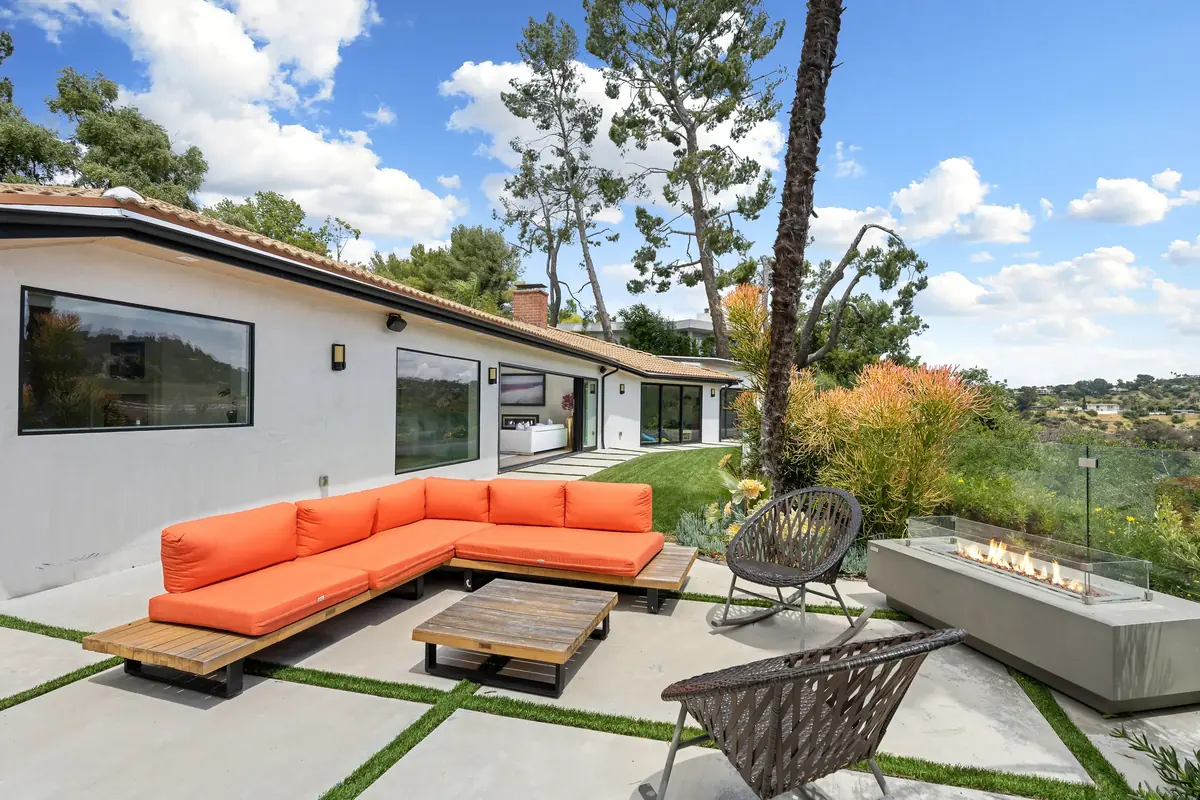
Residential epoxy flooring used to mean the garage. That has changed. Homeowners across Phoenix are now putting resinous floors in great rooms, casitas, kitchens, laundry rooms, mudrooms, home gyms, studios and converted garages, and for good reasons. A coated floor is continuous, easy to clean, cool underfoot in a hot climate and can be finished in a way that suits anything from a mid-century ranch in Encanto to a contemporary build in North Phoenix.
Interior work is different from garage work in a few important ways. The finish standards are higher because you look at the floor every day in natural light. The traffic is people, pets and furniture rather than tires. And because these spaces are shaded from direct sun, the chemistry options widen. This page covers how we approach floors inside the home.
Why choose a coated floor inside the house
There are no seams or grout lines. Tile looks good when it is new, but grout darkens, cracks and collects dirt. A resin floor is one surface from wall to wall, with nothing for dirt or water to get into.
It works with the slab you already have. Nearly every Phoenix house is slab-on-grade. Once old flooring is removed and the concrete is prepared, the coating goes directly on top. There is no subfloor to build and no thickness added beyond a few millimeters, so door clearances and transitions stay manageable.
It stays comfortable in the heat. Concrete-based floors feel cool on bare feet in summer, which is part of why polished and coated concrete has always suited desert houses.
It is forgiving of pets and kids. Accidents and spills wipe up. A urethane or polyaspartic topcoat resists claw scratches far better than many wood floors, and fine grit can be added for traction where dogs run.
It offers real design flexibility. Solid neutral tones, subtle quartz textures, flake blends and dramatic metallic finishes are all possible, along with borders, color changes between rooms and custom inlays.
Finishes for living spaces
Solid color with satin topcoat
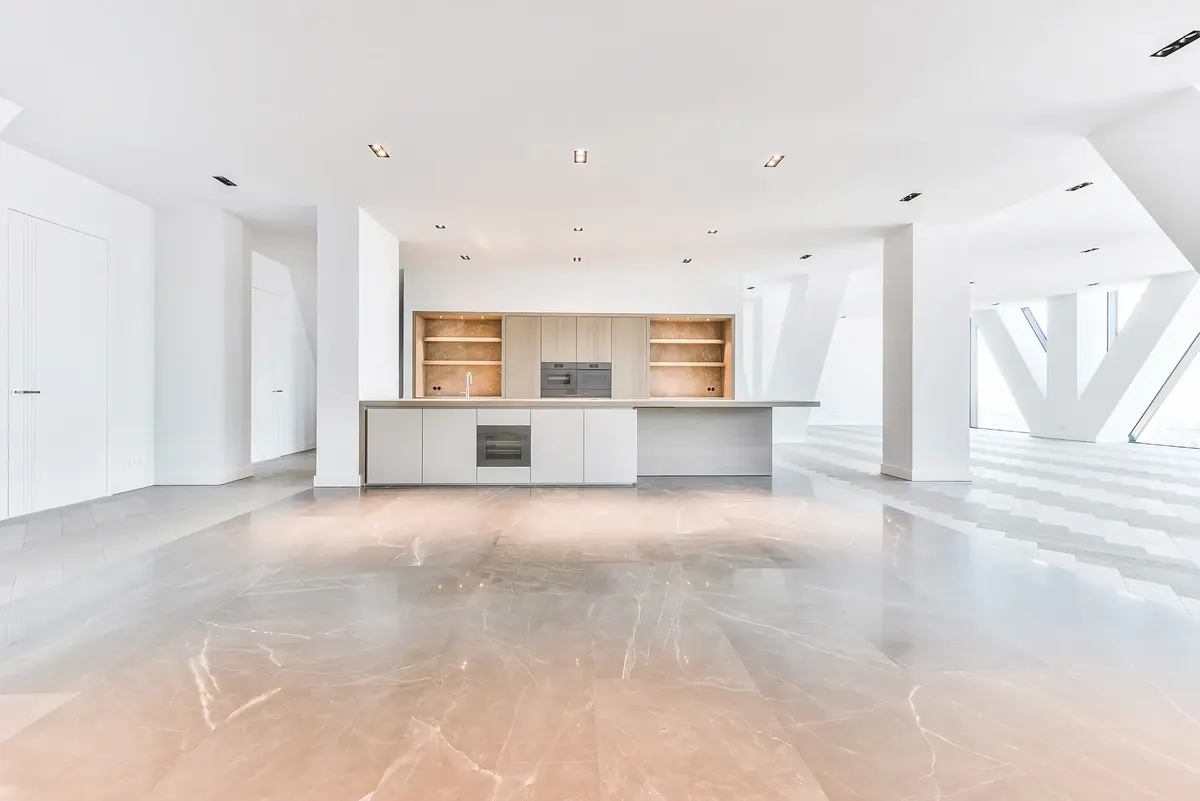
A single, carefully chosen color with a satin or matte topcoat gives a calm, architectural floor. Warm grays, greige, sand and off-white are popular in Phoenix interiors because they work with stucco, wood and natural stone. Satin sheens hide fine scratches and footprints better than high gloss.
Metallic epoxy
Metallic floors create movement and depth that photographs and in-person views can barely capture. They are popular in great rooms, entries, home bars and media rooms. Because each metallic floor is hand-worked, the pattern is unique. See our metallic epoxy flooring page for how those floors are built.
Quartz and flake broadcast
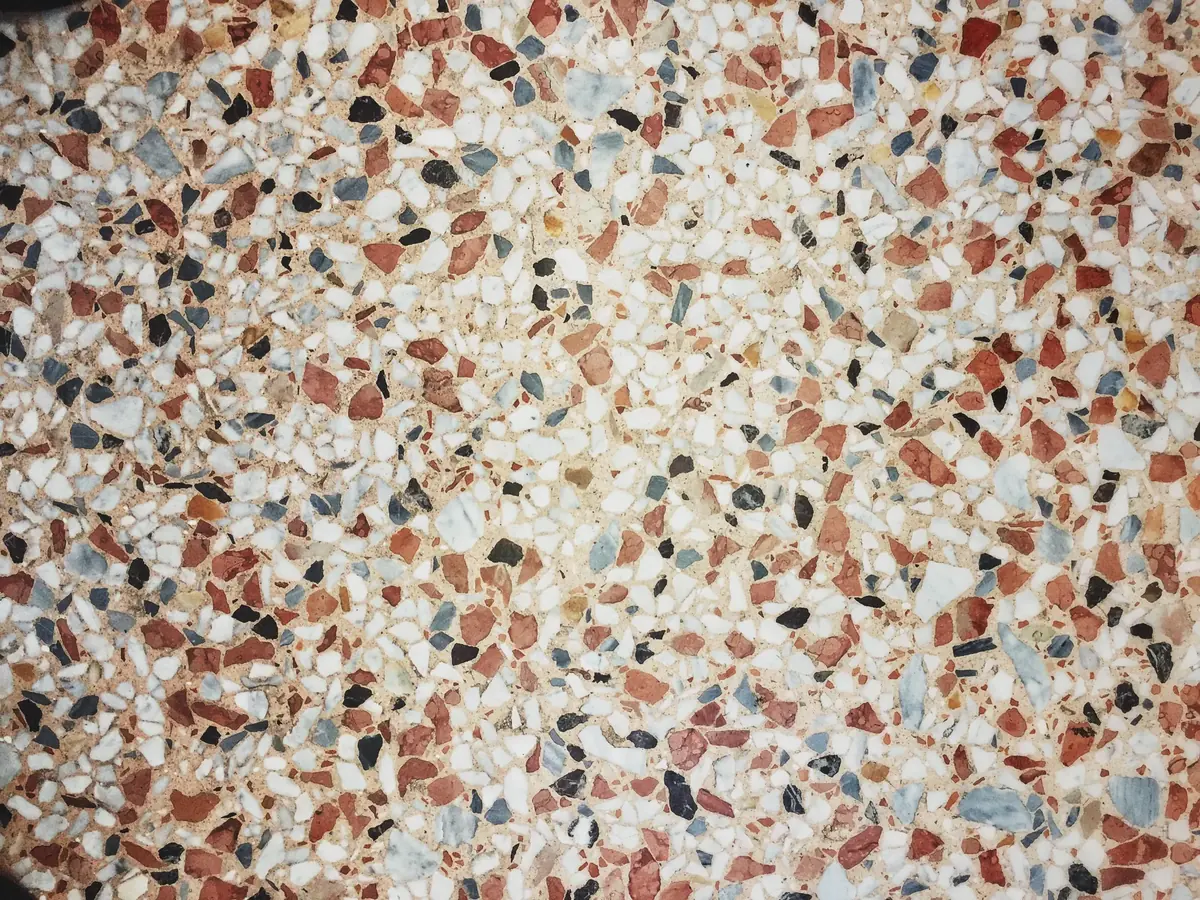
Colored quartz sand or small flake broadcast into the base produces a textured, durable floor that suits laundry rooms, mudrooms, gyms and utility spaces where traction matters more than a perfectly smooth look. Decorative flake blends can be chosen to complement adjoining rooms.
Clear-coated concrete
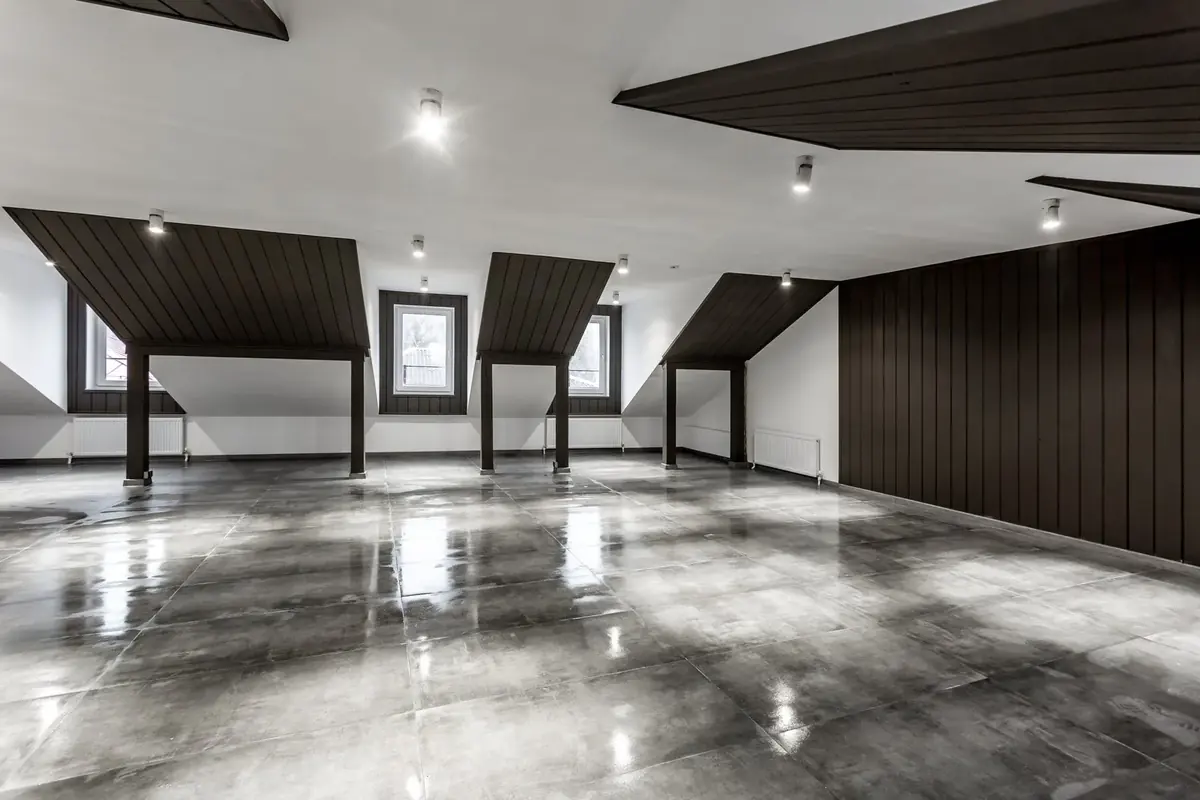
If the slab itself has interesting character after grinding, a clear system can show it off. This is less predictable than a pigmented finish, because you see the concrete's history, but it suits industrial and loft-style homes.
Where residential coatings work best
- Great rooms and living areas: large, open spaces where a continuous floor makes the room read as one.
- Casitas and guest suites: common in Phoenix, often finished on a budget and well suited to a durable coated slab.
- Laundry and mudrooms: water, detergent and dirty shoes are no problem for a sealed surface.
- Home offices and studios: chair casters roll easily, and a satin finish keeps glare down.
- Converted garages: turning a garage into living space often leaves a slab with a step and old oil stains; we grind, level transitions where practical and coat.
- Home gyms: a thicker base with a slip-resistant topcoat handles dropped weights better than bare concrete, though heavy lifting areas still benefit from rubber mats.
- Wine rooms and bars: chemical resistance and easy cleanup make a coating a natural fit.
Interior installation, step by step
Removing old flooring
Carpet, tile, laminate and vinyl must come out first. Many homeowners handle carpet removal themselves; tile removal is heavier work, and thinset mortar left on the slab must be ground away. Old carpet glue and mastic also have to be removed completely. We will tell you what we can handle and what is best left to a demolition crew.
Dust-controlled grinding
Inside a lived-in home, dust control is critical. We grind with HEPA-filtered extraction, seal off doorways with plastic and keep air handlers off in the work zone so fine dust isn't pulled into the ductwork. Edges along baseboards are ground with smaller tools. If baseboards are being replaced, removing them first gives a cleaner edge.
Moisture testing and priming
Interior slabs are more likely than garage slabs to have had a vapor-sensitive finish on them, and some older homes lack a good vapor barrier under the concrete. We test, and where readings are high we use a moisture-tolerant primer. This step is the difference between a floor that stays bonded and one that develops blisters months later.
Leveling and repairs
Interior slabs often show uneven spots from previous flooring or old plumbing work. We patch, feather and, where needed, apply a self-leveling underlayment before the decorative coats. Cracks are repaired and, in living spaces, usually filled for a continuous look.
Color, pattern and topcoat
Base colors, metallic layers or broadcast materials go down next, followed by a protective topcoat. For interiors we usually finish with a polyaspartic or aliphatic urethane topcoat, which resists scratching and does not yellow in window light. Sheen and traction are selected room by room.
Curing and move-in
Light foot traffic in socks is typically possible within a day, depending on the system. Furniture should wait longer, and felt pads on chair and table legs are a must. We give you a clear schedule before work starts so you can plan around it.
Why interior floors need an experienced installer
An interior floor is unforgiving. Roller marks, uneven flake, color shifts between batches and dust nibs are all visible in a room with big windows. Getting a consistent finish requires knowing the materials well, controlling the environment and pacing the work to the product's working time.
Interior projects also involve planning that garage work does not: protecting walls and cabinets, coordinating with painters and trim carpenters, handling transitions to other flooring and keeping the household functioning. We map that out during the estimate.
Phoenix considerations for interior floors
Window light and UV
Interior rooms are mostly shaded, but large west-facing windows and sliding doors can still put direct sun on part of a floor every afternoon. Over time, an unprotected aromatic epoxy in that patch could shift color. A UV-stable topcoat solves this, and it is one reason we rarely leave epoxy as the final layer in living spaces.
Slab temperature and HVAC
We ask homeowners to keep the air conditioning running during interior installs in warm months, with the work zone sealed off. Stable temperatures give a more predictable cure and finish, and they make the room tolerable for the crew.
Dust inside the house
Desert dust finds its way into every home. A coated floor makes it easier to see and easier to remove: a dry dust mop picks up what tile grout would trap.
Older slabs and remodels
Central Phoenix has many homes from the 1940s through the 1970s. Their slabs may have plumbing patches, settlement cracks or areas where a former wall was removed. We assess these individually; some are simple to blend, others are best addressed with a deliberate design element like a border or color change.
Care and maintenance
Dust mop daily or as needed, since grit carried in from outside is the main cause of wear on any floor. Damp mop with warm water and a pH-neutral cleaner. Avoid soap-heavy cleaners that can leave a film, and avoid vinegar or citrus products on topcoats. Put felt pads on furniture, use doormats at exterior entries, and lift rather than drag heavy pieces. A residential floor treated this way should look good for many years, and the topcoat can be refreshed later if traffic lanes dull.
Questions about residential epoxy flooring
Will an epoxy floor feel cold or hard underfoot?
It feels much like tile or polished concrete: firm and cool. Area rugs work well on coated floors for softness in living areas and bedrooms.
Can you coat over existing tile?
We generally recommend removing tile. Coating over tile means the floor's performance depends on the tile's bond and the grout lines can telegraph through. In some commercial cases a tile overlay is possible with special primers, but for homes, removal gives a better result.
Is resin flooring safe for indoor air quality during installation?
We use low-odor and low-VOC products where they suit the system and ventilate the work area. Some materials do have a noticeable odor during application. If anyone in the household is sensitive, we discuss product choices and schedule so the home can be vacated for the day.
Can a coated floor be used with radiant heating?
Radiant heat is rare in Phoenix homes, but where it exists, most resin systems can be applied over heated slabs as long as the heat is turned off during installation and brought back up gradually afterward.
How does a residential coating compare to polished concrete?
Polished concrete relies on the slab's own appearance and density. Coatings add color, pattern and a protective film, and they can hide stains and repairs that polishing would reveal. For older slabs with patches and previous flooring adhesives, a coating is usually the more attractive option.
Will the finish look like the photos I've seen online?
Solid and flake finishes are very predictable. Metallic floors are always unique, so we show you physical samples and photos of finishes made with the same colors to set expectations before work begins.