Outdoor concrete in Phoenix lives a hard life. A covered patio may stay in shade most of the day, but the edge where the slab meets the yard takes direct afternoon sun. Pool decks see splashing chlorinated water, sunscreen and bare feet. Front walks and porches collect dust, irrigation overspray and hard water deposits. Bare concrete stains, discolors and develops a chalky surface under these conditions.
Coatings can protect outdoor concrete and make it look intentional, but this is the area where we see the most failures from the wrong product. Standard epoxy is not an outdoor material. Choosing UV-stable, breathable and slip-resistant systems is the core of good patio work.
Why standard epoxy doesn't belong outside
Most floor epoxies are aromatic. When exposed to ultraviolet light, they yellow, chalk and gradually lose their gloss. On a patio in Phoenix, that degradation can be visible surprisingly quickly. Epoxy is also relatively rigid and can be affected by the extreme heat cycling of a sun-exposed slab.
For outdoor work we use aliphatic coatings, primarily polyaspartic, along with penetrating sealers and specialty outdoor systems where appropriate. These are formulated to keep their color and clarity in sunlight.
Benefits of a coated patio
Protection from stains. Grease from the grill, red wine, leaf tannins and rust from furniture are much easier to clean off a coated surface.
A finished appearance. A flake or solid-color coating can tie the patio to the house, the pool coping and the landscaping.
Reduced dusting. Like interior slabs, outdoor concrete wears and sheds fine particles. A coating locks the surface.
Easier cleaning. A hose and a soft brush clear most dirt from a coated surface.
Traction you can choose. Outdoor coatings can be built with texture specifically for wet bare feet and shoes.
Finish options
Flake with UV-stable topcoat
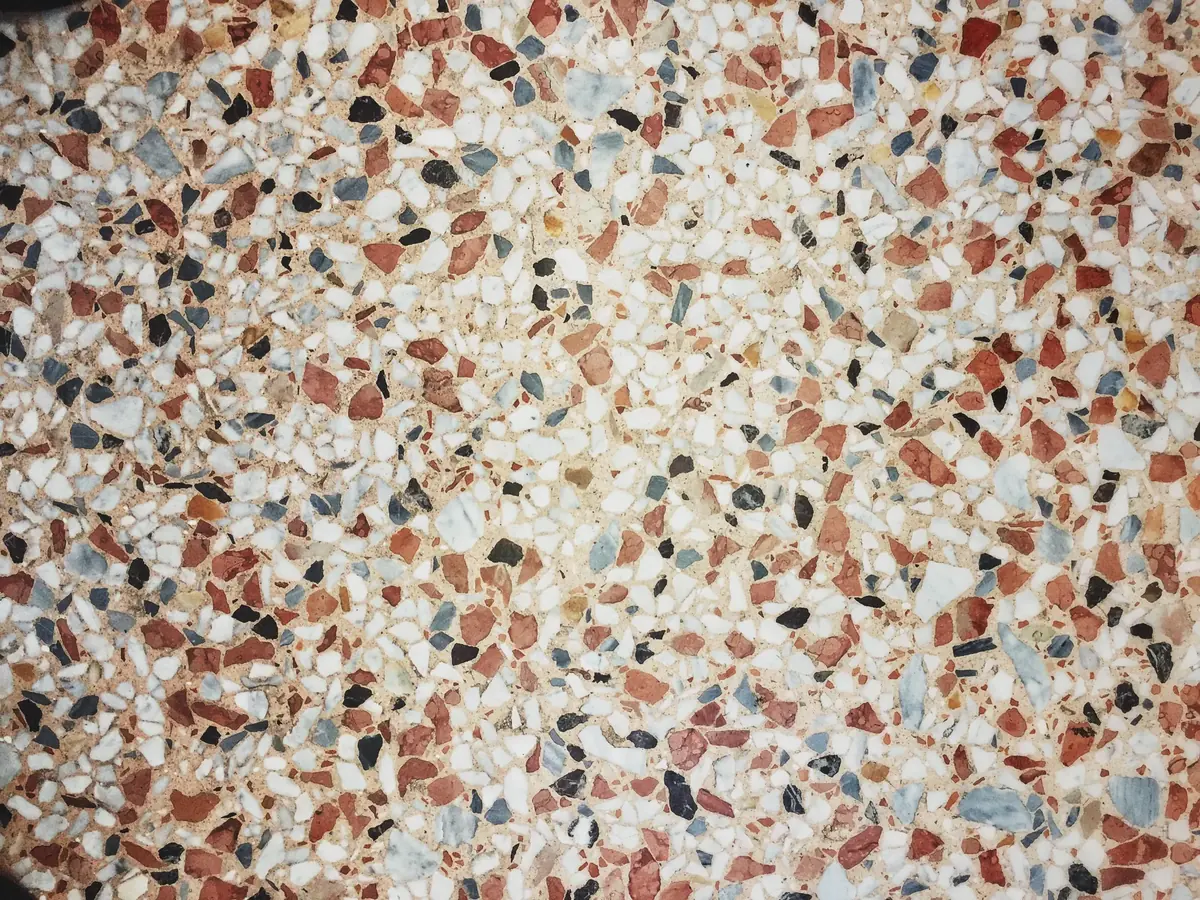
A decorative flake broadcast in a polyaspartic system is one of the most popular patio finishes. It hides dust and leaf debris, adds texture and comes in blends that match desert landscaping. See decorative flake flooring for blend options.
Solid color coating
A solid pigmented polyaspartic gives a clean, modern look. We generally recommend lighter colors outdoors; a light surface reflects more sunlight and tends to stay cooler underfoot than a dark one, though any surface in direct Phoenix sun will get warm in summer.
Clear sealer over existing concrete
Some patios already look the way you want. In that case, a transparent, sun-resistant finish or a soak-in sealer guards the slab without hiding it.
Textured slip-resistant systems
Around pools and steps, we can add aggregate to the topcoat or use a textured finish that provides more grip when wet.
Where outdoor coatings work
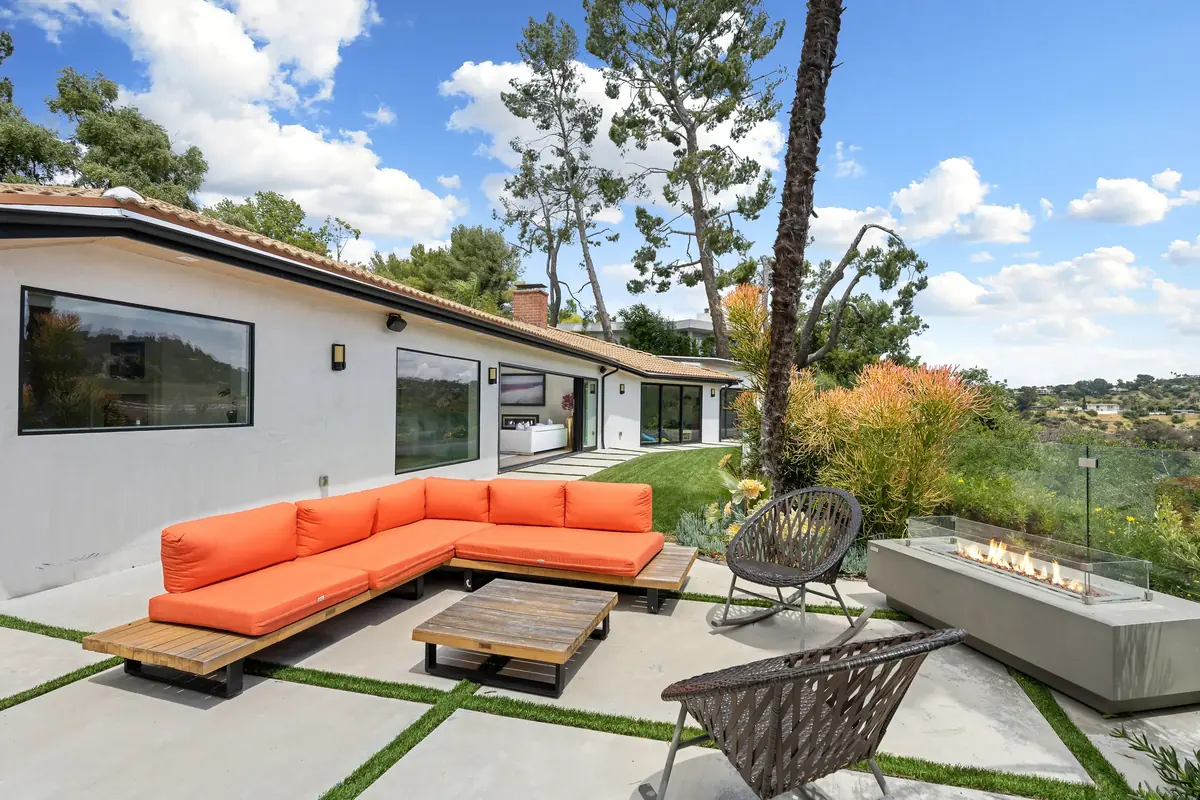
- Covered patios and pergola slabs, the most common outdoor project.
- Front porches and entryways, where first impressions count.
- Breezeways and courtyards connecting the house to garages or casitas.
- Pool surrounds, with suitable texture and drainage considerations.
- Outdoor kitchens, where grease and food spills are common.
- Carports, which see both vehicle and sun exposure.
- Walkways and side yards used for storage and trash cans.
Driveways are a special case. They carry vehicle loads, constant sun and water runoff. We evaluate them individually and are honest when a penetrating sealer will serve better than a film-forming coating.
How we coat outdoor concrete
Evaluating the slab
We look at sun exposure throughout the day, drainage and slope, existing coatings or sealers, cracks and settling, efflorescence (the white mineral deposits that come out of concrete) and hard water staining from sprinklers. Outdoor slabs often have broom-finish texture or exposed aggregate, which affects how a coating is applied.
Moisture and breathability
Outdoor slabs sit directly on the ground and can be exposed to irrigation water from the side. Moisture moving up through the slab can push a non-breathable coating off. We test, and we discuss drainage and irrigation adjustments where water is running toward the slab.
Preparation
Diamond grinding is still the standard. On textured slabs we may combine grinding with other profiling methods to reach recesses. Efflorescence, hard water deposits and old sealers are removed. Cracks are repaired; where the yard soil causes recurring movement, we explain the limits of what a coating can do.
Application
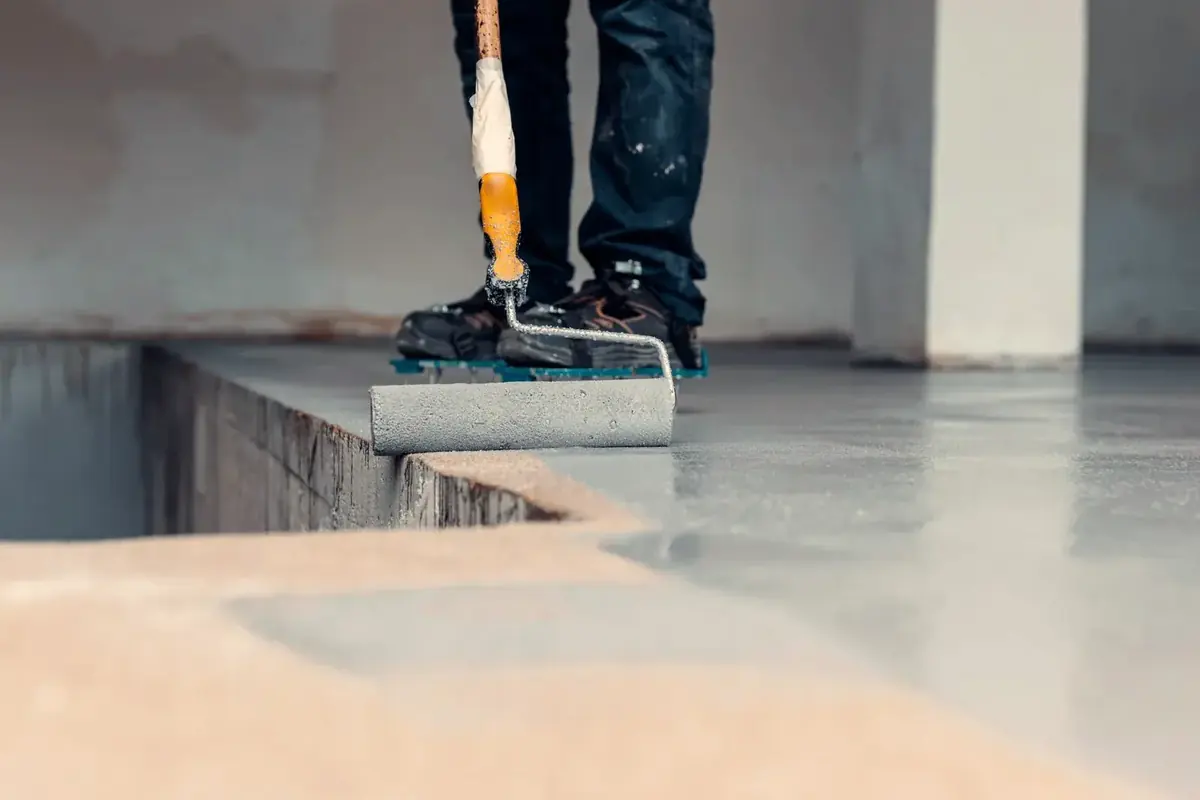
A primer or base coat is applied, followed by flake or color and then a UV-stable topcoat with appropriate texture. Outdoor work is scheduled carefully around temperature and wind.
Cure
Polyaspartic systems cure quickly, so many patios are back in use the next day. We tell you when furniture, grills and planters can return.
Professional installation outdoors
Outdoor coatings are where shortcuts show fastest. Wrong products yellow. Coatings applied over sealers peel in sheets. Smooth gloss finishes become slick when wet. A professional installer chooses products rated for exterior use, prepares the slab properly and builds in the right traction for how the surface will be used.
Phoenix factors for patios
Intense UV
Phoenix sees strong sun much of the year. UV-stable, aliphatic topcoats are non-negotiable for any surface the sun reaches.
Surface heat
Dark surfaces in direct sun get very hot. Light colors help, as do shade structures. No coating makes concrete truly cool in a July afternoon, so plan for shoes or mats in sunny spots.
Hard water and irrigation
Valley water is hard, and sprinkler overspray leaves mineral spots on concrete and coatings. A coated surface is easier to clean, but adjusting sprinkler heads to keep water off the patio helps a great deal.
Dust and monsoon storms
Monsoon storms can dump dust and debris onto a patio in minutes. We avoid application when storms are forecast and protect fresh coatings until they cure.
Pool chemicals
Chlorinated and saltwater pool water can affect some coatings over time. Rinsing the deck periodically with fresh water and choosing a chemical-resistant topcoat helps.
Care and maintenance
Rinse with a hose regularly to remove dust. Clean with a soft brush and a mild, pH-neutral cleaner. Avoid pressure washing at close range with a narrow tip, which can damage any coating. Use furniture glides or pads. Reapply a maintenance topcoat if high-traffic areas dull after years of sun.
Covered patios versus open slabs
A fully covered patio and an open slab in the yard behave very differently. Under a solid roof, the concrete stays cooler, sees less UV and stays drier, so a wider range of decorative systems works well. An open slab takes full sun, rain from monsoon storms and the heat of the afternoon, so we lean toward thinner, highly UV-stable systems with built-in texture, or a penetrating sealer when a film-forming coating would struggle. Many backyards have both conditions on the same slab: covered near the house and open at the edge. We plan the system for the harshest part.
Choosing colors for outdoor concrete
Outdoor colors should work with the house, the pool and the landscape rather than compete with them. In Phoenix, warm grays, sand, buff and light tan blends sit comfortably next to stucco, desert landscaping and natural stone. Lighter colors also help with heat. Very dark colors in direct sun will feel hot and can show dust and hard water spots more readily. We bring samples outside and look at them in the actual light of your yard.
A typical patio project timeline
Most residential patios follow a simple sequence. The site visit and proposal come first. On the first day of work, we prepare the slab, repair cracks and clean away mineral deposits. Coating follows, often on the same day for fast-curing systems. Furniture usually returns after the stated cure time, typically the following day for polyaspartic systems. Planters and heavy items should go back on pads or feet so water doesn't sit trapped beneath them.
Pool decks deserve extra care
Pool decks combine nearly every challenge an outdoor coating can face: full sun, constant wetting, bare feet, chlorine or salt and expansion joints around the coping. Many pool decks in Phoenix were finished with a sprayed acrylic texture coating, which is a different product from the systems on this page. We evaluate each deck individually. In some cases a UV-stable, textured coating is a good fit; in others, refreshing the existing acrylic system or applying a penetrating sealer is the more appropriate choice. Either way, traction and drainage come first.
Questions about patio and concrete coatings
Can epoxy be used on a covered patio?
Even covered patios get reflected UV and direct sun near the edges. We use UV-stable systems for any exterior slab rather than standard epoxy.
Will a patio coating be slippery when wet?
It can be if the finish is smooth. We add texture or aggregate for outdoor surfaces, particularly near pools and steps.
How hot does a coated patio get?
That depends mostly on color and sun exposure. Light colors stay noticeably cooler than dark ones, but any surface in direct summer sun will be warm.
Can you coat over pavers or stamped concrete?
Pavers are not typically coated with a film-forming system because of joints and movement. Stamped concrete can be sealed or coated, but the texture affects the result; we evaluate it on site.
What about cracks in my patio slab?
We repair cosmetic cracks before coating. Cracks caused by soil movement, which is common in some parts of the Valley, may reappear over time.